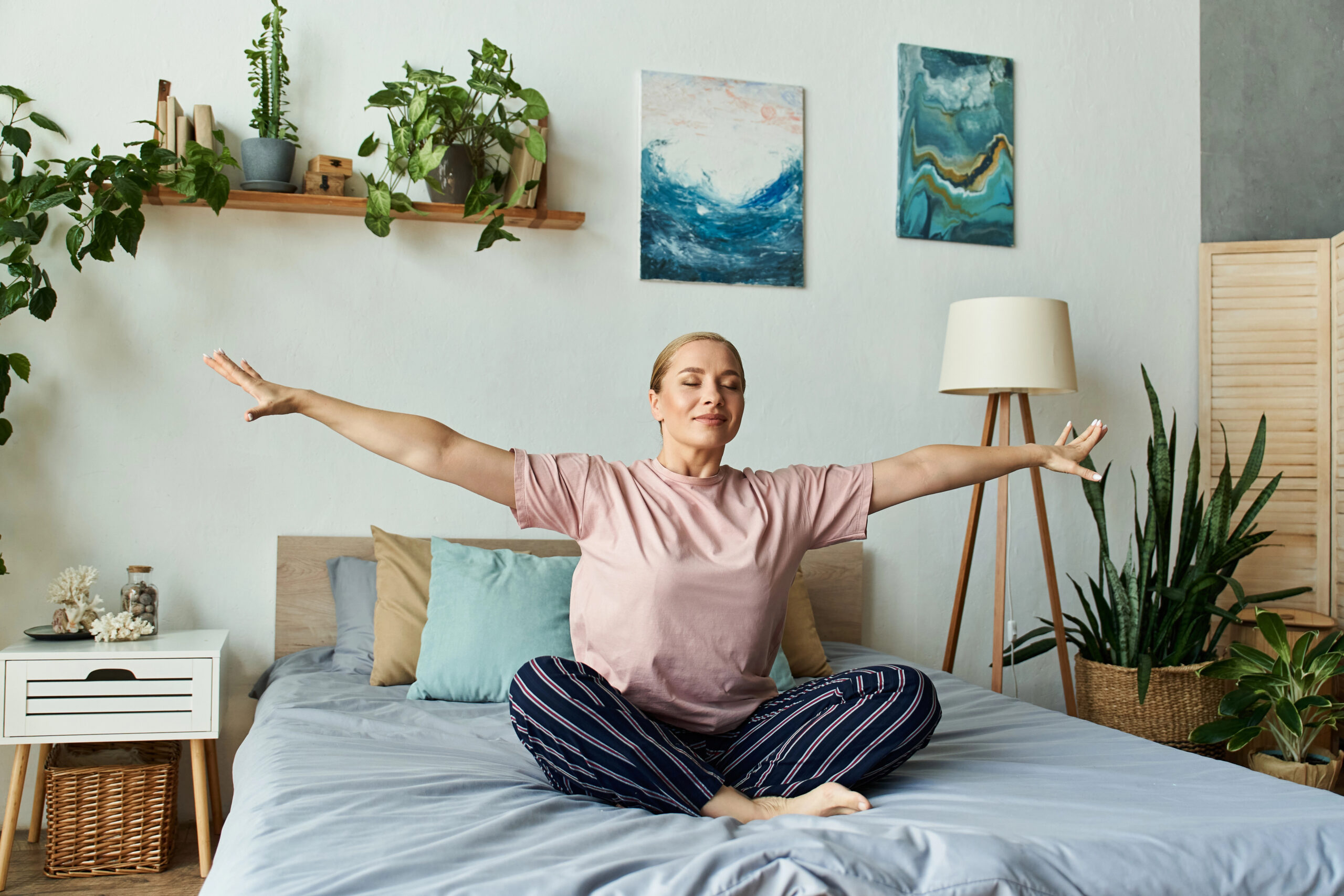
It’s easy to neglect our mental health when we are caught up with balancing work, family, and friends. It is important to break our monotonous weekly cycles and tune into ourselves so that we can determine what we need to feel fulfilled and centered. Here we will discuss two different methods to center ourselves and reconnect with our inner thoughts and feelings.
Meditation
Meditation is one way to achieve a greater sense of mindfulness in your daily life. Whether you have time to sit down for thirty minutes or just five, tuning in to your internal state and observing the thoughts that pass through your mind has several benefits not only for your mental health but for your physical health as well.
-
Restructures Your Brain
The simple act of meditating has the ability to regulate your emotions and to improve overall cognitive functioning. Most importantly, meditation can help us to throw out negative thought patterns, such as those that can exacerbate symptoms of anxiety and depression, and replace them with positive thoughts that are beneficial to our personal growth and self-image.
-
Improves Immune System Functioning
When we meditate regularly, our immune system is more effective in warding off disease and illness. This is evidenced by reduced levels of interleukin six which can indicate greater system efficiency. In the same vein, it can result in a slower aging process as our body’s cells turn over at a decreased rate.
Meditation and Brain Health
Meditating regularly can yield a range of mental and physical benefits, many of which can have a positive impact on your brain health. Research has found that regular meditation can have a direct and measurable impact on the brain. Structural changes in the regions of the brain associated with attention, memory, and executive processing have been observed in those who practice meditation.
Types of Meditation
There are a variety of different types of meditation to choose from, depending on your needs and goals. Mindfulness meditation involves being aware of your present moment experience and allowing all thoughts and feelings to pass without judgement. Focused meditation is a practice where the focus of your attention is placed on a specific point, perhaps the sensation of your breath. Relaxation meditation is all about letting go and allowing yourself to become deeply relaxed. Guided meditation involves listening to specific audio to connect to your inner self. Lastly, creative meditation involves tapping into your creative energy and focusing on creative tasks such as drawing, painting, or writing.
Practical Tips for Getting Started with Meditation
If you’re new to meditation, it can seem a bit daunting at first. But it doesn’t have to be! Here are some practical tips to help you get started:
- Start by setting aside just 10 minutes each day to meditate. Find a comfortable and quiet space and sit comfortably with your eyes closed.
- Focus on your breath – simply observe each inhalation and exhalation for a few minutes. If your mind wanders, don’t worry – just focus back on your breath again.
- As you become more experienced with meditation, you can gradually increase your meditating time.
- Don’t get discouraged if you have difficulty focusing – it’s normal! Just keep practicing and you will be rewarded with improved focus over time.
Grounding
If you’ve ever gone hiking in the Appalachian mountains, you might have taken proper precaution and bought a pair of proper hiking boots for the trip. It is also possible that you’ve had a chance encounter with other fellow hikers who opted to brave the trail barefoot, foregoing the sturdy boots you laced up before climbing any rocky paths. While it may seem like a dangerous idea, these hikers might have a better idea of how to get in touch with themselves through the natural world.
Grounding is the practice of reconnecting yourself with the earth. This is most easily done by walking barefoot outside, whether that’s in your background or along a mountain trail–though it is not advisable to do so while hiking due to safety concerns. Other methods of grounding include lying down outside or plunging into a pool of natural water.
Benefits of Grounding
Most of the benefits you’ll receive from grounding have to do with your physical health, but there are documented impacts to your mental health as well.
-
Improves Quality of Sleep
Those who practice grounding regularly see improvements in their sleep patterns, including an increased amount of time they remain asleep each night as well as a reduction in sleep disturbances. Grounding can also benefit people who suffer from chronic fatigue.
-
Anxiety and Depression
In one study, after as little as one hour of grounding, participants reported an increase in positive emotions and overall mood. By allowing yourself regular time to reconnect with the earth you can also give yourself the opportunity to tune in to your internal state through mindfulness.
Mindfulness in the Changing of Seasons
The natural slowing down that comes with the changing seasons (the cooler air, cozy layers, and comforting warm meals and drinks) is a space we often don’t spend enough time in a state of mindfulness.
This period, just before the rush of the holidays and winter demands, offers a chance for reflection and mindfulness. It’s a time to savor the present moment, yet we often rush past it without appreciating its quiet beauty. Taking the time to experience this seasonal shift fully can help us feel more grounded, calm, and prepared for what’s ahead.
- Embrace the Season’s Rhythm: As the days get shorter and the weather cooler, adapt your routine to match the natural flow of fall. Slowing down can help reduce stress and allow you to reflect on your mental well-being. You may find it helpful to begin to decrease the number of activities on your to-do list so that you can spend more time focusing on mindfulness with each item.
- Get Outside and Move: Even though the weather may be cooler, try to spend time outdoors. Fresh air, natural light, and movement (whether it is a brisk walk or a hike through the changing leaves) boost mood and energy levels. Researchers have presented findings that demonstrate how exposure to nature is linked to heightened happiness, improved well-being, enhanced positive emotions, better social interactions, and a stronger sense of purpose and meaning in life. Additionally, they noted a reduction in mental distress as a result of nature contact (Science Advances, Vol. 5, No. 7, 2019).
- Prioritize Sleep: With the change in seasons, you may feel more tired. Listen to your body and prioritize restful sleep. Good sleep hygiene, like maintaining a consistent sleep schedule, can significantly improve your mental health. Our biological sleep clocks change as the sun sets earlier, and the days become shorter. Therefore, researchers suggest that going to bed earlier during the colder months may help our bodies adapt to the changing of the seasons.
- Practice Gratitude: Fall is a season of harvest and reflection. Take a few moments each day to express gratitude for the things, people, and experiences you cherish. Journaling or saying these aloud can shift your focus to the positive. A myriad of studies show a strong association between a person’s gratitude and their overall well-being.
- Stay Connected: As fall begins, it can be tempting to withdraw, but staying connected to friends, family, or support networks is vital. Plan cozy get-togethers or virtual check-ins to maintain your sense of community. Maintaining social connections is essential for both mental and physical health.
- Nourish Your Body with Seasonal Foods: Fall is a great time to enjoy nutrient-dense seasonal produce like pumpkins, apples, and root vegetables. A balanced diet helps keep your brain healthy, which in turn supports mental well-being. These seasonal foods provide fiber for digestion and steady blood sugar levels. Rich in vitamins A, C, and potassium, they support immune, skin, and heart health. Their natural sugars offer sustained energy, while antioxidants help reduce inflammation and oxidative stress.
- Set Boundaries and Protect Your Time: With the holidays approaching, it’s easy to become overwhelmed with commitments. Be mindful of your time and energy, and don’t hesitate to say “no” to things that might lead to stress or burnout. Setting boundaries may be difficult at first, but with anything practicing the act of protecting your peace will become more comfortable over time.
- Try Meditation: The crisp, quiet atmosphere of fall is perfect for practicing meditation, a great form of mindfulness. Take a few moments each day to breathe deeply, meditate, or engage in calming activities like yoga to reduce anxiety and stay centered. Incorporating these practices daily can provide you with the tools to keep calm when tensions start to rise, helping you to self regulate your emotions.
- Plan for Seasonal Affective Disorder (SAD): If shorter days and less sunlight tend to affect your mood, be proactive. Use light therapy, stay physically active, and engage in hobbies that bring you joy to manage symptoms of SAD.
- Seek Professional Help if Needed: If you find that feelings of stress, anxiety, or depression are overwhelming, don’t hesitate to reach out to a therapist or counselor for support.
Other Forms of Mindfulness
For those of us with busy schedules, it may seem daunting to pencil in even half an hour devoted to these activities. Here are some additional ways to connect with yourself without a hefty time commitment:
-
Focus on the moment
Rather than going through the motions of the day, make an effort to intentionally notice your surroundings and any reactions you might have to your environment.
-
Regulate your breathing
Breathing exercises such as box breathing, also known as the 4-4 method, can draw our attention to our physical selves and how we are feeling in the moment.
-
Count your senses
Whether you are indoors at work or outside on a walk, take note of your five senses and try to name one thing in your environment for each.
By taking notice of our internal states on a regular basis, we can not only boost our mood and nullify symptoms of anxiety and depression, but we can also benefit our physical health. Taking the time to practice mindfulness can only serve to improve our quality of life, even on our busiest days.
Sources
https://www.healio.com/news/endocrinology/20130917/low-il-6-levels-may-promote-successful-aging
https://pmc.ncbi.nlm.nih.gov/articles/PMC10355843/
https://www.frontiersin.org/journals/psychology/articles/10.3389/fpsyg.2013.00688/full