kali

About MyBrainDR Team

This author has not yet filled in any details.
So far MyBrainDR Team has created 143 blog entries.

Ringing in the Ears: Causes, Relief & Next Steps

2026-11-12T17:45:37-05:00November 8th, 2026|

"It's just stress." "You'll get used to it." "There's nothing you can do." If you've heard any of that about ringing in the ears, you may have walked away more discouraged than informed. Tinnitus, the medical term for hearing a sound that has no outside source, is common. The NIDCD notes that surveys estimate 10%


Menopause Brain Fog: Causes, Help & Neurofeedback

2026-11-12T17:45:37-05:00November 3rd, 2026|

You walk into a room and forget why you're there. A coworker's name slips away mid-sentence. Your to-do list feels heavier than it used to. If you're in your 40s or early 50s, you may be dealing with menopause brain fog, and you're far from alone. The Menopause Society estimates that 44% to 60% of

Self Compassion and Its Critical Role in Brain Health

2025-07-03T19:23:19-04:00July 7th, 2025|

It seems like one of the biggest pieces of advice we’re often told is to “give ourselves grace and be kind to ourselves”. While it is common knowledge how important it is to prioritize self compassion, there are many under-recognized benefits to this seemingly simple practice. Additionally, it’s not always easy for individuals to access

Why Work-Life Balance Is Key to Mental Health

2025-07-03T18:10:27-04:00July 3rd, 2025|

You’ve probably heard the phrase “work-life balance” more times than you can count. It sounds nice in theory: get your job done, then relax and enjoy life. But in reality? It’s not always so simple. Emails ping well past dinner, burnout creeps in silently, and mental health often takes the backseat. Let’s unpack why striking

Mindful Eating for Your Mental Health

2025-05-16T21:28:33-04:00May 21st, 2025|

In our fast-paced world, it’s all too easy to scarf down meals while scrolling through our phones or rushing between tasks. But what if the way we eat could actually help us feel calmer, clearer, and more emotionally balanced? That’s where mindful eating comes in: it’s a simple, yet powerful practice that’s making waves for

Yoga and Brain Health: The Power of Yoga on the Mind and Body

2025-05-16T19:54:55-04:00May 16th, 2025|

It’s often suggested that individuals turn to yoga when they’re feeling stressed, but what’s the real connection between yoga, brain health, and mental well-being? Does it actually work, and if so, how? Let’s explore why yoga isn’t just about stretching, but a powerful practice for calming the mind, boosting mood, and supporting long-term brain health.

Omega-3 Benefits: Brain Health and Mood

2025-05-09T19:29:46-04:00May 9th, 2025|

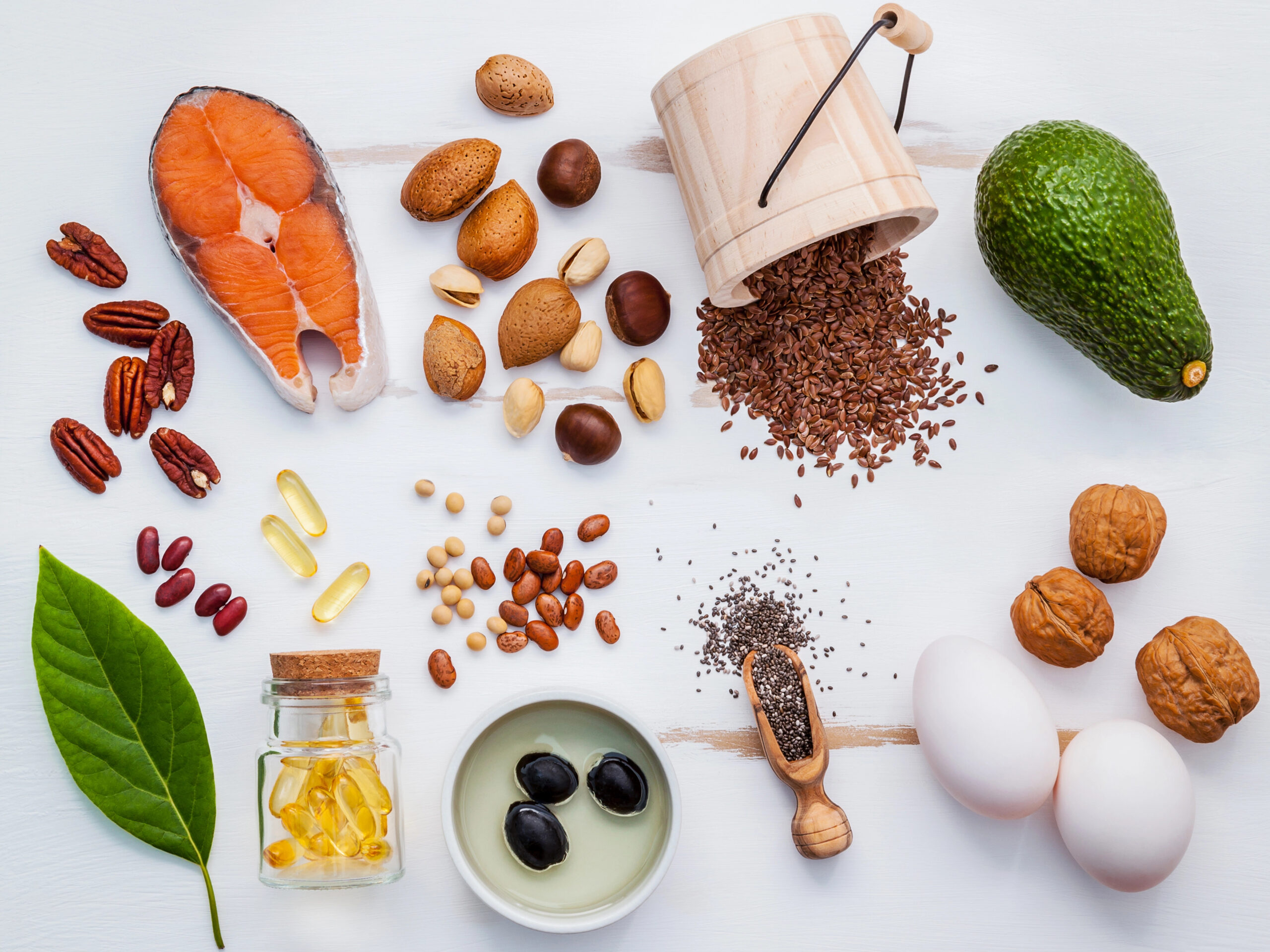
Healthy fats have become such a common word used on social media. We’re often told to prioritize healthy fats for our hormones but what are healthy fats and why are they so important for us? Omega-3 fatty acids are a family of essential fats which means that the body cannot produce them on its own.

Trauma and the Brain: What You Should Know

2025-04-30T19:54:34-04:00April 30th, 2025|

We’ve all been through tough times, some more intense than others. But did you know that some of those moments leave a lasting mark not just on your memory, but on your brain itself? Trauma and the brain are deeply connected. Without the right tools or support, trauma can alter the way your brain functions,

Imposter Syndrome: Why High Achievers Feel Like Frauds

2025-04-16T17:00:52-04:00April 16th, 2025|

Imposter syndrome is a psychological experience where individuals constantly experience self doubt, dismiss their successes and often feel like a fraud when they accomplish something. Those who struggle with imposter syndrome tend to chalk up their success to external factors, rather than their own ability, and attribute their accomplishments to chance or an error (Feigofsky,

Neuroplasticity: The Brain’s Ability to Heal and Grow

2025-04-11T20:08:56-04:00April 11th, 2025|

Our brains are incredibly adaptable. From recovering from injuries to learning new skills, our brains have the remarkable ability to change and reorganize. This phenomenon is known as neuroplasticity. Whether you're a child learning how to walk or an adult recovering from a traumatic brain injury, neuroplasticity is at the heart of how we improve.

Go to Top